
Hi, I’m Scott Paul. I’m a leading exterior restoration contractor and business owner with over 30 years of experience in brick paver sealing and protection. Whether you’re looking to enhance the beauty of your pavers or protect them from the elements, I’m here to share my expertise and offer tips to help you get the best results.
Feel free to reach out with any questions—I’m here to help. For more information about me, please read my full bio here.
What Is the Best Brick Paver Sealer?
The best brick paver sealer depends on the look you want and the level of protection needed. Solvent-based acrylic sealers are the most popular for enhancing color and providing a wet look, while penetrating sealers are best for long-term protection with a natural, non-gloss finish.
Our Take Based on Real-World Experience
Brick pavers require a different approach than standard concrete. They are more porous, have joint sand, and are exposed to movement and weather.
From our experience, the biggest issues with paver sealers—such as whitening, peeling, or uneven finish—are usually caused by:
- Over-application
- Sealing damp pavers
- Poor prep or leftover efflorescence
- Using the wrong type of sealer
When applied correctly, a quality sealer can enhance the color, stabilize joint sand, and extend the life of your pavers.
My 5 Best Types of Brick Paver Sealers
Click on the link and jump straight to my professional reviews:
- Jump to My Top 5 Brick Paver Sealer Ratings: Brick Paver Sealer Reviews and Ratings
- My Best Glossy Brick Paver Sealer: Super Seal 30 Paver Sealer
- My Best Overall Paver Sealer: Super Seal 25 Paver Sealer
- My Best Wet-Look Paver Sealer: Supreme Shield SB-600
- My Best Water-Based Paver Sealer: Masonry Saver Paver Sealer
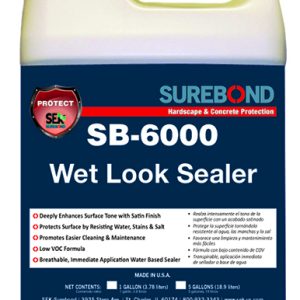
- My Best Water-Based Wet-Look Paver Sealer: Surebond SB-6000
- Inspiration? See Brick Paver Sealer Photos
My Brick Paver Sealer Experience
Having restored brick pavers in the Metro Detroit area since the early 1990s, I’ve made it my mission to bring dull, dirty pavers back to life every season.
With over 30 years of experience, I’ve encountered countless failed brick paver sealer applications. Through trial, error, and hands-on expertise, I’ve learned what works—and what doesn’t—when it comes to protecting and enhancing brick pavers.
In this article, I’ll share key insights and tips to help you avoid common mistakes and steer clear of bad sealer products. By applying the right techniques and choosing the right products, you can ensure your pavers stay protected and looking their best for years to come.
Sealing concrete brick paver tips and advice
Want my Help Finding the Best Brick Paver Sealer?
If you need advice on the best brick paving sealer, please ask in the comment area at the bottom below. I’m more than happy to offer tips. For my tips on application, please visit Prepping and Applying a Brick Paver Sealer.
Brick Paver Patios and landscaping blocks have been popular in the last 30 years. They offer an alternative to regular plain white concrete by adding old-world charm, resembling walkways and streets of the 19th century. Brick Paver patios can be customized to be designed for any area. They are trendy for driveways, walkways, around pools, etc. Of course, with any exterior horizontal surface, there is a need for general maintenance with brick pavers by cleaning and sealing regularly.
Brick paver sealers are water repellents and coatings specifically designed for use on paver stones and blocks.

Brick Paver Driveway
Sealing brick pavers can be a do-it-yourself project if you feel comfortable, or it can also be done by an experienced contractor like me. The important matter is that the brick pavers and sand joints are protected from harsh weather conditions, water damage, weed growth, mold/mildew, anthill activity, and sun fading. Sealing and maintaining brick paver areas will ensure prolonged beauty and many years of use.
Brick Paver Sealers have three primary functions:
- Seal and protect the pavers from UV degradation and fading.
- Enhance the pavers by adding a wet look, shine, or both.
- Solidify or stabilize the jointing sand in between the individual stones.
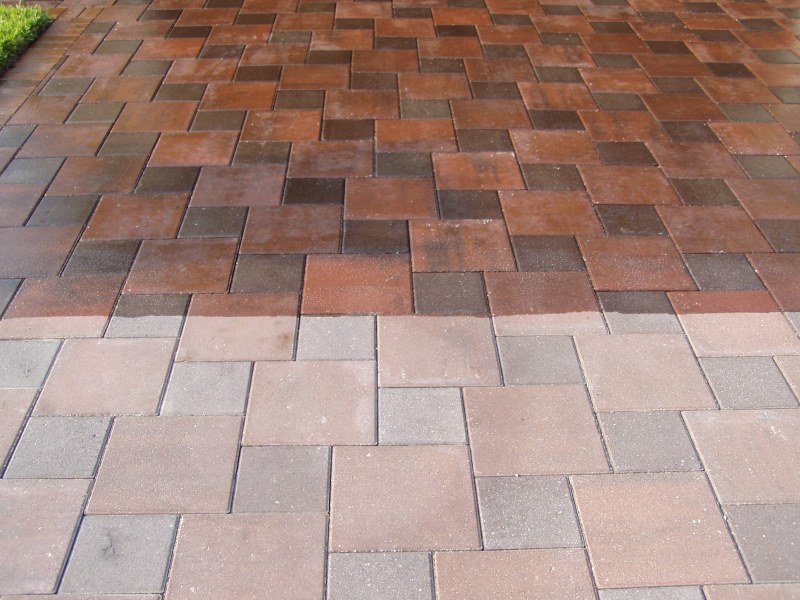
Before and After Brick Paver Sealing
Brick Paver Sealer types to use in 2026
I have yet to find the best brick paver sealer that stands out from the rest for all scenarios. To determine the best paver sealer, you must first understand its different types and the appearance you want to achieve when sone sealing. Below, I will break down the different types of sealers and their main differences.
Types of Brick Paver Sealers
Solvent-Based Acrylic Sealers
- Enhance color and provide a wet look
- Help harden joint sand
- Good durability
- Most common choice for pavers
Water-Based Acrylic Sealers
- Lower odor and easier cleanup
- Less glossy finish
- Slightly lower durability than solvent-based
Penetrating Sealers
- No surface film or gloss
- Natural appearance
- Excellent long-term protection
- Do not enhance color
Best Brick Paver Sealer Types Comparison
| Sealer Type | Appearance | Durability | Lifespan | Best For |
|---|---|---|---|---|
| Solvent-Based Acrylic | Wet look / gloss | ⭐⭐⭐⭐ | 2–4 yrs | Color enhancement |
| Water-Based Acrylic | Satin / low gloss | ⭐⭐⭐ | 1–3 yrs | Easier application |
| Penetrating Sealer | Natural | ⭐⭐⭐⭐⭐ | 5–10+ yrs | Long-term protection |
Solid Acrylics vs Breathable (Styrene) Acrylics Paver Sealers?
When choosing a paver sealer, I have found that not all acrylics are equal. Many paver sealers contain inferior acrylics that will blush to turn white in color. Notably, it is the Behr Wet Look Sealer and H&C Water-based sealer. The best for a paver sealer is one that does not seal the surface 100% but instead breathes. These sealers are less prone to trapping moisture, possibly leading to the dreaded white haze. Most high-quality water-based sealers will not blush as they are thinner in viscosity. Solvent-based sealers containing solid acrylic tend to blush/turn white. If you choose a solvent-based sealer, make sure it is a “Styrene” acrylic, as these have tiny pinholes that allow the coating to breathe.
Traditional Solvent-Based Paver Sealers
Traditionally, these are the most popular and have been around for the longest time, and I have used them for the past 30 years for my paver restoration projects. These paver sealers are typically high in acrylic solids and will darken the surface. Available in Matte, Semi-Gloss, and High Gloss shine. Due to changes in many state VOC laws, solvent-based sealers may not be available locally but can be purchased online.
Crystal clear in liquid form. Popular solvents are Xylene, Toluene, and other Aromatic Solvents.
Pros: I have found that they last about 2+ years. Darken the color more so than water-based sealers. Add a higher level of gloss if desired. Typically, only one coat is needed. A higher level of protection against UV degradation and fading. Better for vehicle traffic.
Cons: It May need to be rolled on as many cannot be sprayed (too thick). It will not solidify joint sand or a water-based version. Square footage is less, typically about 100-125 sq. feet per gallon.
My Top Solvent-Based Paver Sealers
- Super Seal 30
- Super Seal 25
- Supreme Shield SB-600
Water-Based Paver Sealers
Water-based versions of paver sealers have been forced on the scene in the last ten years due to low VOC (volatile organic compounds) laws. Currently, over 20 states in the US restrict the availability of solvent-based sealers. Water-based sealers still contain acrylics but will have a lower solid content.
Milky white in liquid form that dries clear.
Pros: They can be easily applied with a garden-type pump sprayer. It penetrates the substrate and sand joints better and hardens jointing sand. Square footage is better than solvent-based sealers. Typically, 150-200 sq. feet per gallon.
Cons: Multiple coats are needed. It will not darken as deeply or leave a high gloss like a solvent-based paver sealer—it offers a medium level of protection from UV degradation and fading. Softer acrylics can be prone to tire marks on a hot day.
My Top Water-Based Paver Sealers
- Masonry Saver Paver Sealer
- Surebond SB-6000
Wet Look Brick Paver Sealers
“Wet look” sometimes gets confused with “gloss.” Using a paver sealer that will leave a “wet look” means darkening the surface, similar to if it was wet with water. To test, you can mist water on your pavers (as long as they do not already have a sealer that would repel the water) to see how they might look with a wet-look sealer. They will continue to appear wet even after the sealer dries.
Wet-look sealers are solvent-based or water-based penetrating formulas. These sealers may or may not contain a shine level of some sort.
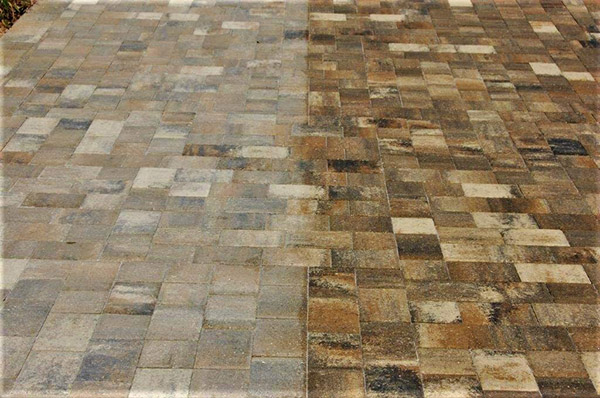
Wet Look Paver Sealer
My Top Wet Look/No Gloss Paver Sealer
- Supreme Shield SB-600
- Surebond SB-6000
Glossy Brick Paver Sealers
A shiny or glossy finish is achieved using a sealer that contains a high percentage of the solid content of the acrylic. This type of finish darkens faded pavers as if they are wet while adding a shiny finish. A shiny sealer can enhance the natural reds and brown tones that are found in standard brick pavers. The high solid content of these types of sealers will leave a high-gloss shine depending on the amount of solids. The higher the percentage of solids, the higher the gloss finish. For example, a 25% solid content sealer would be considered a semi-gloss, while a 30% solid content sealer would be considered a high gloss. In most scenarios, you will darken the pavers with a wet look. These sealers may be prone to being slippery when wet.

Before and After Brick Paver Sealing
My Top Gloss Paver Sealers
- Super Seal 30 Higher Gloss
- Super seal 25 Semi-Gloss
Joint Sand Stabilizing Paver Sealers
A side function of paver sealing is the ability to help solidify or stabilize the jointing sand from erosion. While most paver sealers will do this to some extent, some are designed specifically for this purpose. Examples: SB-1300 and SB-7700. Joint stabilizing paver sealers are solvent-based or water-based formulas. These sealers may or may not contain a shine level or a wet look.
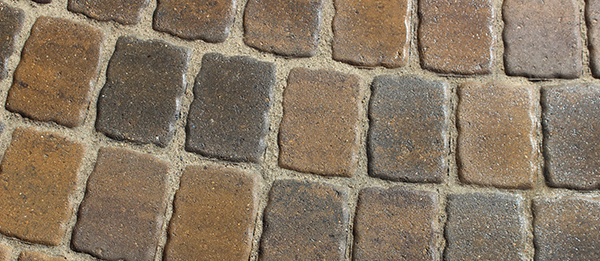
Brick Paver Sand Hardening
My Top Joint Sand Stabilizing Sealer Paver Sealer
- Super Seal 25
- Super Seal 30
- Surebond SB-1300 Joint Stabilizing Sealer
- Surebond SB-7700 Joint Stabilizing Sealer
The 5 Best Brick Paver Sealers I use daily
1. Super Seal 30 – Best Glossy Paver Sealer
- My favorite high-gloss paver sealer. We use this when my customers want to achieve the highest gloss possible.
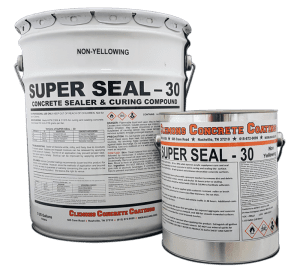 SuperSeal30 is a Higher-Gloss Concrete Sealer that can be used on many types of concrete surfaces. It is very popular for Brick Paver Patios, Driveways, and Walkways. This sealer darkens the appearance and leaves a higher gloss shine.
- Where To Find: SuperSeal30 Concrete Sealer
Sealer Type: Solvent-based, breathable styrene-acrylic sealer
Wet Look: Deep Wet Look
Shine Level: Higher Gloss
Joint Stabilization: Yes
ConcreteSealerReview.com Rating (On a scale of 1-10): 8.60
See My Super Seal 30 Paver Sealer Review Here: Super Seal 30 Gloss
-
HotFree shipping
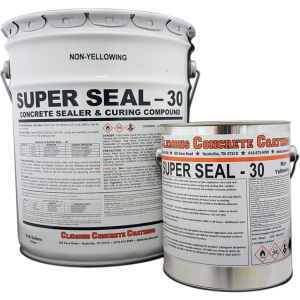
SuperSeal30 Gloss 5 Gallon
Price range: $214.99 through $244.99 -
Free shipping
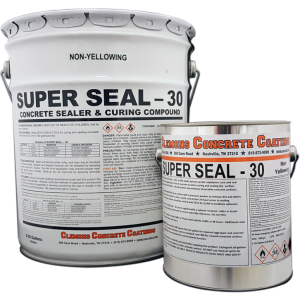
SuperSeal30 Gloss 1 Gallon
Price range: $62.99 through $80.99
2. Super Seal 25 Semi-Gloss – Best Overall Paver Sealer
 My favorite and our most used paver sealer. I have used this for 30 years on about 75% of my projects annually. It is a little less shiny than the SuperSeal 30.
Similar to the SuperSeal30, SuperSeal25 is a Semi-Gloss Paver Sealer that can be used for Brick Paver Patios, Walkways, Driveways, etc. This sealer will darken the appearance and leave a shine similar to a semi-gloss. The SuperSeal25 is a 25% solid solvent-based, breathable acrylic sealer and curing compound.
- Where To Find: SuperSeal25 Semi-Gloss Sealer
Sealer Type: Solvent-based, breathable styrene-acrylic sealer
Wet Look: Deep Wet Look
Shine Level: Semi-Gloss
Joint Stabilization: Yes
ConcreteSealerReview.com Rating (On a scale of 1-10): 8.40
See My Super Seal 25 Paver Sealer Review Here: Super Seal 25 Gloss
-
HotFree shipping
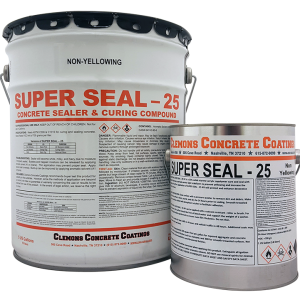
SuperSeal25 Semi-Gloss 5 Gallon
Top-Rated Brick Paver Sealers, Solvent-Based Brick Paver Sealers, Top-Rated Concrete Sealers, Decorative/Stamped Concrete Sealers, The Best Concrete Solvent-Based Sealers, The Top-Rated Wet Look/Gloss Concrete Sealers, Featured Products, SuperSeal25 Semi-Gloss, SuperSeal Concrete and Paver SealersPrice range: $204.99 through $234.99 -
Free shipping
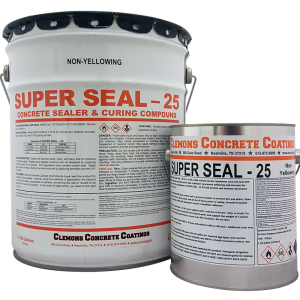
SuperSeal25 Semi-Gloss 1 Gallon
Top-Rated Brick Paver Sealers, Solvent-Based Brick Paver Sealers, Top-Rated Concrete Sealers, Decorative/Stamped Concrete Sealers, The Best Concrete Solvent-Based Sealers, The Top-Rated Wet Look/Gloss Concrete Sealers, SuperSeal25 Semi-Gloss, SuperSeal Concrete and Paver SealersPrice range: $60.99 through $78.99
3. Supreme Shield SB-600 – Best Wet Look Paver Sealer

- I love this wet-look sealer for brick pavers that do not want any gloss or shine.
SUPREME SHIELD SB is a solvent-based penetrating sealer for stamped concrete, concrete pavers, and other porous concrete surfaces. Its application enhances the color and gives a wet look without adding the gloss and plastic look associated with other traditional film-forming sealers. Once treated, the surface repels water and oil to prevent staining.
- Where To Find: Supreme Shield SB-600
Sealer Type: Solvent-based, breathable styrene-acrylic sealer
Wet Look: Deep Wet Look
Shine Level: No Gloss or Shine
Joint Stabilization: Small amount
ConcreteSealerReview.com Rating (On a scale of 1-10): 9.0
See My Supreme Shield SB-600 Paver Sealer Review Here: Supreme Shield SB-600
-
HotFree shipping

Supreme Shield SB-600 5 Gallon
The Top-Rated Wet Look/Gloss Concrete Sealers, SUPREME SHIELD SB-600 Wet Look Concrete Sealer, Top-Rated Brick Paver Sealers, Solvent-Based Brick Paver Sealers, Top-Rated Concrete Sealers, Decorative/Stamped Concrete Sealers, The Best Concrete Solvent-Based Sealers, Featured Products, SuperSeal Concrete and Paver SealersPrice range: $259.99 through $309.99 -
Free shipping
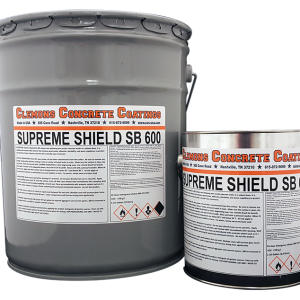
Supreme Shield SB-600 1 Gallon
The Top-Rated Wet Look/Gloss Concrete Sealers, SUPREME SHIELD SB-600 Wet Look Concrete Sealer, Top-Rated Brick Paver Sealers, Solvent-Based Brick Paver Sealers, Top-Rated Concrete Sealers, Decorative/Stamped Concrete Sealers, The Best Concrete Solvent-Based Sealers, SuperSeal Concrete and Paver Sealers$76.99
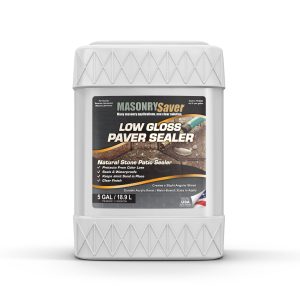
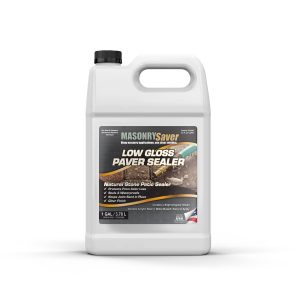
4. Masonry Saver Paver Sealer – Best Water-Based Paver Sealer

- I really like this water-based paver sealer. It comes in low or high gloss.
MasonrySaver (also known as Defy) Paver Sealer is a durable, water-based, clear, wet-look concrete sealant designed to protect and beautify clay brick and cement patio-type paver stones. It gives them a rich satin finish while also functioning as a paver sand sealer.
- Where To Find: Masonry Saver Paver Sealer
Sealer Type: Water-based, breathable acrylic sealer
Wet Look: Adequate Wet Look
Shine Level: Satin Shine
Joint Stabilization: Yes
ConcreteSealerReview.com Rating (On a scale of 1-10): 8.0
See My Masonry Saver Paver Sealer Review Here: Masonry Saver Paver Sealer
5. Surebond SB-6000 – Best Water-Based Wet Look Paver Sealer
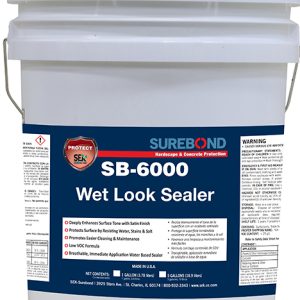
 I have found that the SB-6000 Wet Look Sealer seals and enhances the natural colors of treated surfaces with a luxurious, wet look. It is breathable and will not trap naturally occurring efflorescence, allowing it to be applied immediately after paving stones are installed. SB-6000 Wet Look Sealer improves surface durability and freeze-thaw resistance while protecting the surface from salt, acid, and staining. It is a water-based, exterior-quality, epoxy-modified surface sealer.
- Where To Find: Surebond SB-6000
Sealer Type: Wet-Look water-based, epoxy-modified
Wet Look: Adequate Wet Look
Shine Level: No shine
Joint Stabilization: No
ConcreteSealerReview.com Rating (On a scale of 1-10): 7.4
See My Surebond SB-600 Paver Sealer Review Article: Surebond SB-6000
-
HotFree shipping
Brick Paver Sealer Comparison Charts
| Sealer Name | Finish Type | Base Type | Protection Level (1-5) |
|---|---|---|---|
| SuperSeal30 | High Gloss | Solvent-Based | 5 |
| SuperSeal25 | Semi-Gloss | Solvent-Based | 4 |
| MasonrySaver | Satin | Water-Based | 4 |
| Supreme Shield SB-600 | Wet Look (No Gloss) | Solvent-Based | 5 |
| Surebond SB-6000 | Wet Look | Water-Based | 4 |
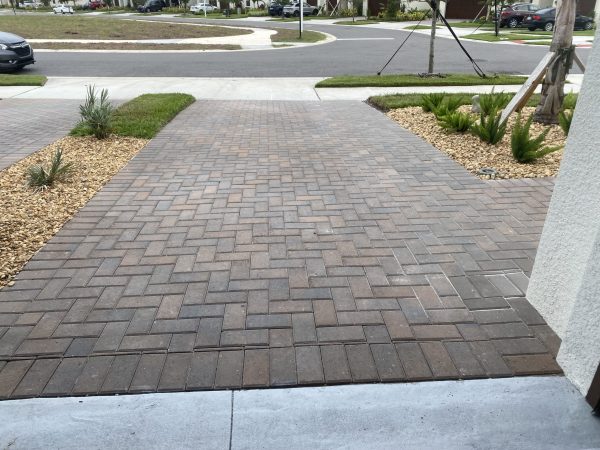
My Brick Paver Sealer Photos


My Paver Sealing Application Video
❓ Frequently Asked Questions – Brick Paver Sealers
What is the best sealer for brick pavers?
The best sealer for brick pavers depends on your desired finish and application needs. For a wet-look and high gloss, SuperSeal 30 and Supreme Shield SB-600 are top-rated. If you prefer a water-based, environmentally friendly option that hardens joint sand, Surebond SB-6000 is highly recommended.
Should I use a solvent-based or water-based paver sealer?
Solvent-based sealers typically provide a richer color enhancement and glossier finish, ideal for those wanting a wet look. Water-based sealers are lower in VOCs, safer to apply, and often better for joint stabilization but offer a more natural finish.
How often should brick pavers be sealed?
Most paver sealers last between 2 to 3 years, depending on foot or vehicle traffic, climate conditions, and product quality. High-gloss solvent-based sealers may need to be reapplied every 2 years, while penetrating sealers may last longer.
Can I apply paver sealer myself, or should I hire a pro?
You can apply paver sealer yourself using a low-pressure pump sprayer or roller. Just ensure the pavers are clean and dry before application. DIY is very feasible, but large driveways or surfaces with failed sealers may benefit from professional help.
What is the difference between a wet-look and natural finish sealer?
A wet-look sealer darkens and enhances the color of the pavers, adding a matte, glossy or semi-gloss sheen. A natural finish sealer protects without significantly changing the appearance of the paver surface, offering a matte or invisible finish.
Do paver sealers prevent weeds and moss?
Sealers can help reduce weed and moss growth by hardening joint sand and limiting moisture penetration. However, proper joint sanding and surface cleaning are essential for best results.
Brick Paver Sealer – Buyer’s Guide
🛒 Brick Paver Sealer Buyer’s Guide
Clay Brick Pavers: Penetrating breathable sealers
Cement Pavers: Solvent-based acrylics or hybrids
Paver Natural Stone (e.g., Travertine): Solvent-based acrylics or Water-Bsed
Wet Look: Enhances color and adds gloss (e.g., SuperSeal30, Supreme Shield SB-600)
Natural Look: Offers subtle protection with little visual change (e.g., Super Seal-M Water Repellent)
- Solvent-Based: High gloss, color enhancement, may be restricted in some states
- Water-Based: Eco-friendly, matte or gloss finish, VOC compliant in all states
High-Traffic Areas: Use breathable sealers like Supreme Shield SB-600 or SuperSeal Matte.
Low-Traffic Areas: Gloss sealers like SuperSeal30 or SuperSeal25 offer visual appeal
States like California, New York, Pennsylvania, and Illinois limit solvent-based sealers.
Use low-VOC water-based options such as MasonrySaver or Surebond SB-6000 in those regions.
- Apply with pump sprayer or roller
- Use two thin coats on clean, dry surfaces
- Avoid applying in direct sunlight or extreme heat
Best Brick Paver Sealer by Use Case
Best Sealer for Wet Look Pavers
Solvent-based acrylic sealers are the top choice for enhancing color and creating a rich, glossy finish.
Best Sealer for Natural Look Pavers
Penetrating sealers are ideal if you want protection without changing the appearance.
Best Sealer for High-Traffic Areas
Use a durable acrylic sealer and consider reapplication every few years to maintain performance.
Best Sealer for Joint Sand Stabilization
Acrylic sealers help bind joint sand and reduce washout between pavers.
How to Seal Brick Pavers Properly
- Clean the pavers thoroughly
- Remove efflorescence if present
- Allow the surface to fully dry
- Re-sand joints if needed
- Apply sealer evenly with a sprayer
- Avoid over-application
- Allow proper curing time
Proper prep is essential for long-term results.
Common Brick Paver Sealer Problems
- Whitening or hazing
- Peeling or flaking
- Bubbling from over-application
- Joint sand washout
- Uneven finish
These issues are almost always related to prep or application errors.
Which Brick Paver Sealer Should You Choose?
- Choose a solvent-based acrylic for color enhancement and a wet look
- Choose a water-based acrylic for easier application and lower odor
- Choose a penetrating sealer for a natural look and longer lifespan
Your choice should be based on appearance preference and maintenance expectations.
Pro Tip (From 30+ Years of Experience)
The biggest mistake when sealing pavers is sealing them too soon after cleaning. Trapped moisture is one of the main causes of whitening and failure. Always allow pavers to dry completely before applying sealer.
Final Verdict
For most homeowners, a solvent-based acrylic sealer provides the best balance of appearance, protection, and joint sand stabilization for brick pavers.
If you prefer a natural look with less maintenance, a penetrating sealer is a great alternative. The key is choosing the right type and applying it properly to avoid common issues.
Do you want my help finding a brick paving sealer?
Hopefully, I have helped you better understand the different available paver sealers. If you would like my help choosing a paver sealer, please answer these questions in the comment area below:
- Wet Look? Yes or No
- No Gloss, Matte, Semi-Gloss, High Gloss
- Joint Stabilization Importance? Yes or No
- Easily applied? Yes or No
- A small description of an area to which sealer will be applied. Examples: Patio, Driveway, Pool Deck, etc
Answer 5 Questions in the Comment Area to find the Best Paver Sealer for you! I am here to help!































Wet Look? Yes
Semi-Gloss,
Joint Stabilization Importance? Yes
Easily applied? Yes
Pool Deck,
SuperSeal 25 paver sealer for this.
Wet look – yes
High gloss
Joint stabilization – yes
Easily applied – yes
Brick pavers with southern exposure and harsh winters
Try the SuperSeal 30 paver sealer.
Try the SuperSeal 30 paver sealer.
1.Wet Look
2. Matte or Semi-Gloss
3.Joint Stabilization Importance? Yes
4.Easily applied? Have sprayer or roller for whatever application
5. 35' x 16' paver patio that's 99% in sunshine.
In a state that does not allow high solvent based sealers
Try the Masonry Saver Paver Sealer or SuperSeal VOC paver sealer.
No
Matte or semi gloss – would like sealer to penetrate into the pavers, not just sit on top
I don't know, I guess
Yes, I will be doing it
large patio and a large area around pool
Linda, Surebond SB-1300 for this.
1. No
2. Matte
3.Yes
4.Yes
5. Front & back porch
Shannon, try the Surebond SB-1300.
Wet look, no gloss, polymeric sand (already applied),easy application fo a concrete pave patio installed 8 years ago and it sealed 3 years ago. Thanks.
Try Surebond SB-6000.
Try Surebond SB-6000.
Wet Look? Yes
Gloss is not important. We just like the color of our new pavers when they are wet. Planned to stain them befor we installed and now we really like the colors when they are wet.
Joint Stabilization Importance? Yes
Easily applied? Yes
Small description of area that sealer will be applied to. New paver walkway
Super Seal 25 Paver Sealant will give the look you want.
1. Wet
2. High or semi
3. Not important
4. Doesn't matter
5. In Florida high sun. Paver over concrete, so I have some discoloration from moisture and previously applied xylene coating.
Try the SuperSeal 30 or the Super Seal 25.
Wet Look:Yes
Breathable:Yes
Joint Stabilization: Yes
Spray Application
Gloss: No
Does not blush, yellow or peal.
Primarily used for enhancing concrete pavers.
Try Surebond SB-6000.
Best sealer for direct sun pavers that will not haze . Thanks
Super Seal 25 or Super Seal 30.
Wet Look
Matte Finish
Cemented Joints
Spanish Terracotta Tiles Outdoor Patio, lots of direct sun
Thank you 🙂
Super Seal Matte Paver sealer.
1- yes
2-no gloss
3-yes
4-yes
5- screened in patio weed and mold problem between pavers due to florida humidity
please advise best sealer
1. Wet look – Yes
2. No gloss – Matte
3. Joint Stabilization – Yes
4. Easy Application – Yes
5. 10 x 16 Patio made up of Patio Pavers
Try Surebond SB-6000 or SuperSeal Matte
Try Surebond SB-6000 or SuperSeal Matte
Wet look
Matte,joint stabilization
Easy apply
Patio
Try SuperSeal Matte Paver sealer
Wet look
matte finish
polymorphic sand
joint stabilization
applied with sprayer or roller
driveway/sidewalk cement pavers
florida
Stain, use the SuperSeal Matte paver sealant.
wet look
matt or low gloss
will be adding polymorphic sand
want a good sealer
driveway
not water based sealer
Super Seal Matte Paver Sealer is what you would want.
Wet Look Prefer not extremely wet.
Matte Finish
My joints are cemented with some type of hardening sand?
Application ease not important in order to use the best sealer
Small patio and driveway
Thanks
Ken, try the Surebond SB-6000.
Thank You Where can I purchase it?
Online or contact manufacturer to see if there is a local retailer.
1. Wet – Yes
2. Matt or semi-gloss
3.Joint Stabilization – Very Important
4.Doesn't matter
5.Paving stones on deck around a pool
Super Seal Matte or SuperSeal 25 pavers sealers.
Wet look yes
No gloss matt finish
Joint stabilization important
Easily applied
Cement pavers front walk ,southern summer exposure, harsh winters
Jane, Super Seal Matte paver sealant.
Would be nice if you mentioned some brand products otherwise article was not too informative
We mention numerous products in the comment area after asking the questions.
Wet Look? No
2.No Gloss or Matte
3.Joint Stabilization Importance? Yes, but my contractor used polymeric sand
4.Easily applied? Yes
5.Small description of area that sealer will be applied to. Paver patio adjacent to a cement patio.
Shari, Surebond SB-1300 will work for you.
1. Wet look – YES
2. No Gloss
3. YES Joint Stabilizing
4. YES Easy Application
5. Patio
Jeff, look at Surebond SB-6000.
Wet look yes
Semi gloss
No sand mortar
Yes
Open breeze porch but a roof and walk way
Super Seal 25 paver sealer.
Looking for quality water based sealer, wet look, no gloss for driveway pavers.
Wet look, semi gloss for enclosed porch, water based. Joint stabilizing, easy application.
Try the Surebond SB-6000 for the driveway or Super Seal Matte (slight shine). For the porch, use the Super Seal 25 semi-gloss sealer.
1. Wet look – yes
2. High Gloss look
3. Joint Stabilizing – yes
4. Ease of application – any
5. Pool & patio pavers
Super Seal 30 Paver sealer for this.
1. Wet look – YES
2. Semi or Gloss look
3. YES Joint Stabilizing
4. YES Easy Application
5. Patio, steps and walkway.
Use SuperSeal 30 Brick Paver sealer.
No wet look
Matte
No sand joints (mortar)
Ease of application not important
Brick and mortar patio deck. Has some grime and mold issues after long exposure to humidity in the summer. Had it cleaned and would like to slow down the grime/mold process. Light traffic area.
Pat, try the Surebond SB-1300 or Masonry Saver Heavy Duty Water Repellent.
1. yes, wet look
2. no gloss
3. no
4. yes
5. pool deck
John, look at Surebond SB-6000.
Wet= yes, matte, joint stabilization= yes, easily applied = yes, front walk and back stoop
Glena, SuperSeal Matte for this walkway.
Wet look not important
Matt finish
Joint stabilizer – yes
Easily applied, yes
Paver patio in back yard with western exposure, lots of afternoon sun and one mile from the beach
1 wet look, yes 2 matte finish. 3 joint stabilization no. 4 easily applied, yes. 5 12X15 brick paver patio
Surebond SB-6000 or the SuperSeal Matte.
Surebond SB-6000 or the SuperSeal Matte.
Wet Look? No
matte
Joint Stabilization Importance? Yes
Easily applied? Yes
Small description of area that sealer will be applied to: pool deck, patio and lanai
Hi Lisa, you would want the Surebond SB-1300 for this.
Wet look yes.semi gloss. Joint stabilization no. Application?. Driveway & pool deck.
SuperSeal 25 Paver sealer will work well.
Wet Look? Yes
Matte
Joint Stabilization Importance? Yes
Easily applied? Yes
Small description of area that sealer will be applied to. Driveway, porch, sidewalk and patio
Art, try the SuperSeal Matte paver sealant.
1. Wet look
2. Semi-gloss
3. Yes
4. Yes
5. Driveway & Patio & Pool deck
Look at SuperSeal 25 paver sealer.
1 yes, 2 matte, 3 no, 4 yes, pavers around pool
Surebond SB-6000 wet look sealer for pavers.
1. No
2. Matte
3. Yes
4. Yes
5. Patio, Driveway, pool Deck (travertine)
Bruce, look at Surebond SB-1300.
Yes, wet look
High gloss
Yes, stabilize joints
Easily applied
Applied to patio
SuperSeal 30 paver sealer.
Wet Look? Yes
No Gloss,
Joint Stabilization Importance? Yes
Easily applied? Yes
Small description of area that sealer will be applied to. Driveway and walkway
Look at Surebond SB-1300.
Yes. Wet look preferably. could be matte if other requirements met.
Matte or Simi-gloss
Yes. Could use joint stabilization
Either. Difficulty not important
Commercial. Hotel. Pavers around pool and outdoor patio dining/walkways. Cannot be slippery when wet. Must be able to clean food spills easily.
Phil, look at SuperSeal Matte or Surebond SB-6000.
1) No
2) Semi-Gloss
3)Yes
4) Yes
5)Pool Area & Patio, Pavers are multi- colored concrete
1 yes 2 matte 3 no 4 yes 5 front walk low traffic Pavestone antique Savanna
I think I would prefer water based.
DAve, look at Masonry Saver Paver Sealer.
1.wet look yes
2. No gloss
3. No
4. Yes
5. Extended patio 23'x 13' , exposed
Cindi, try the Surebond SB-6000.
Yes
Wet/semi-gloss
No
No
Driveway, , pool deck
1. Wet Look? No
2. No Gloss or Matte is preferred finish.
3. Joint Stabilization Importance? Yes, this is the most important factor.
4. Easily applied? Yes, a spray application would be best. Area is small enough that several applications would not be a huge issue.
5. Description of surface. Red paver patio under deck. Two-thirds of the patio never receives direct sunlight.
Try the Surebond SB-1300.
1) Yes
2) No Gloss
3) Yes
4) Yes
5) Pacific Slate Granite pavers patio
Surebond SB-6000 will work.
1. yes. 2. semi-to- hi gloss. 3. yes. 4. yes. 5. driveway and walkway 500 s.f..
Jane, Super Seal 30 will work. One 5 gallon pail will cover the 500 sq. feet.
1. Wet yes
2. High gloss
3. No
4. No
5. Exposed ag deck & brick walk
Tom, use SuperSeal 30 for this aggregate deck.
1. Yes
2. not looking for overly shiny
3. less important
4. yes
5. Patio w/ pavers. love the color after it rains but loses that after it dries
SuperSeal Matte paver sealer.
SuperSeal Matte paver sealer.
Yes
High Gloss
No
Yes
Newly installed pavers with polymeric joint sand for patio and BBQ areas
Super Seal 30 Paver sealer for this.